10 Ways to Maintain Positive Body Language in Interviews
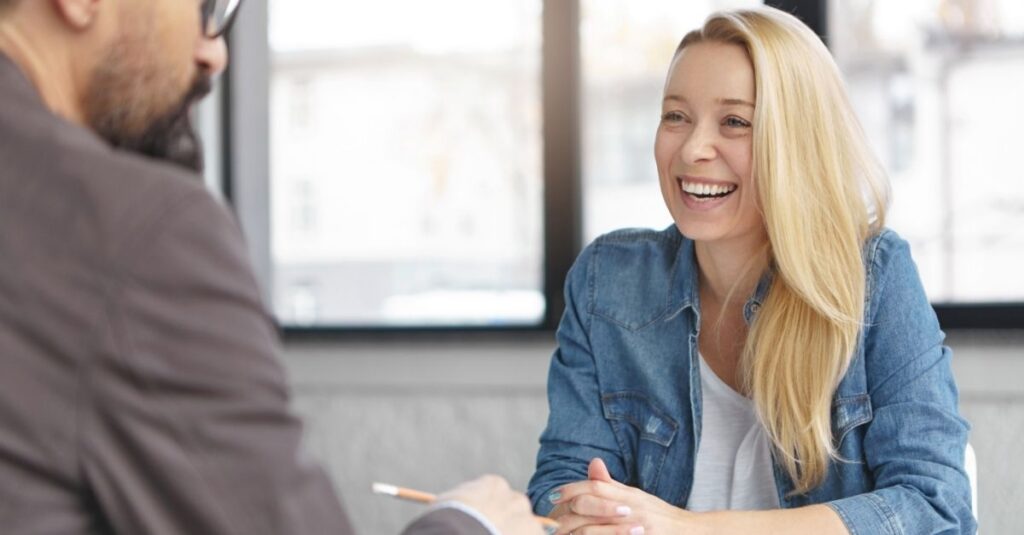
Interviews aren’t only about what you say. They’re also about how you show up, listen, respond, and connect. Your posture, eye contact, facial expressions, hand movements, and overall presence all contribute to the impression you make.
Strong answers matter, but nonverbal communication can reinforce your confidence, professionalism, and interest in the role. The good news: you don’t need to be perfect or overly polished. You simply need to be intentional, aware, and authentic.
Use the following steps to practice and maintain positive body language in interviews, whether you’re meeting in person, over video, or in a panel setting.
10 Ways to Maintain Positive Body Language in Interviews
- Understand What Positive Body Language Communicates
- Step 1: Prepare Your Body Before the Interview Starts
- Step 2: Make a Confident First Impression
- Step 3: Maintain Open Posture
- Step 4: Use Eye Contact Naturally
- Step 5: Show Active Listening
- Step 6: Keep Your Hands Calm and Purposeful
- Step 7: Match Your Facial Expressions to the Conversation
- Step 8: Control Nervous Movement
- Step 9: Adapt to the Interviewer’s Style
- Step 10: End with Confidence and Appreciation
- Practice Until It Feels Natural
Understand What Positive Body Language Communicates
Before focusing on specific techniques, it helps to know what employers may read from your body language. Positive nonverbal cues can suggest that you are:
- Engaged in the conversation
- Confident in your experience
- Respectful of the interviewer’s time
- Open to feedback and collaboration
- Prepared and professional
- Genuinely interested in the opportunity
On the other hand, closed-off posture, limited eye contact, fidgeting, or distracted facial expressions may unintentionally communicate nervousness, disinterest, or lack of preparation.
At Addison Group, we know interviews can feel high-pressure. The goal is not to eliminate nerves entirely. Instead, aim to manage them so your body language supports your message rather than distracts from it.
Step 1: Prepare Your Body Before the Interview Starts
Positive body language begins before you answer the first question. Give yourself time to get physically and mentally settled.
If your interview is in person, arrive early enough to avoid feeling rushed. Sit or stand with your shoulders relaxed, breathe deeply, and avoid scrolling intensely on your phone right before you meet the interviewer. If you’re joining a virtual interview, log in a few minutes early, check your camera angle, test your audio, and position yourself comfortably.
A simple pre-interview reset can help:
- Sit or stand upright.
- Roll your shoulders back once or twice.
- Take two slow breaths.
- Relax your jaw and hands.
- Remind yourself that the interview is a conversation, not an interrogation.
When your body is calmer, your answers often come across more clearly.
Related content
- Showcasing personality traits in interviews: how to do it
- How to stand out to employers during interviews
- How to adapt your job search when you’re not landing interviews
Step 2: Make a Confident First Impression
The first few moments of an interview set the tone. Focus on appearing warm, alert, and professional.
For in-person interviews, greet the interviewer with a natural smile, appropriate eye contact, and a professional handshake if one is offered. Keep your shoulders open and avoid crossing your arms as you introduce yourself.
For virtual interviews, look into the camera when greeting the interviewer. This helps simulate eye contact. Smile naturally, sit upright, and make sure your face is well-lit. A small nod during the greeting can also show attentiveness.
You don’t need to exaggerate your enthusiasm. A calm, friendly presence is often more effective than forced energy.
Step 3: Maintain Open Posture
One of the most practical body language tips is to keep your posture open. Open posture helps you appear approachable and engaged.
Try to:
- Sit upright with your back supported or slightly forward
- Keep your shoulders relaxed instead of hunched
- Place both feet on the floor when possible
- Keep your arms uncrossed
- Face the interviewer directly
Leaning slightly forward while listening can show interest but avoid leaning so far forward that it feels intense. Similarly, sitting back is fine at moments, but avoid slouching or appearing too casual.
Think of your posture as steady and attentive. You want to look comfortable, but still fully present.
Step 4: Use Eye Contact Naturally
Eye contact is one of the most important forms of nonverbal communication in an interview. It helps build trust and shows that you’re engaged in the conversation.
The key is balance. Too little eye contact can make you seem unsure or distracted, while constant staring can feel uncomfortable. Aim for natural eye contact during introductions, while listening, and when making key points in your answers.
If you’re speaking to a panel, shift your eye contact among the interviewers. When answering a question, begin by looking at the person who asked it, then briefly include others as you continue.
For video interviews, look at the camera when making important points, but it’s also normal to glance at the interviewer’s face on screen. If looking at the camera feels unnatural, place the video window near your camera so your gaze stays aligned.
Step 5: Show Active Listening
Positive body language isn’t just about how you look when speaking. It’s also about how you respond when someone else is talking.
Use active listening cues such as:
- Nodding occasionally
- Keeping your gaze focused
- Smiling when appropriate
- Taking brief notes without becoming buried in them
- Avoiding interruptions
- Pausing before answering thoughtful questions
These small signals show respect and engagement. They also help the conversation feel collaborative rather than one-sided.
If the interviewer is explaining the role, team structure, or company expectations, your body language should communicate that you’re taking the information seriously. A focused expression and occasional nod can go a long way.
Step 6: Keep Your Hands Calm and Purposeful
Hand gestures can make you appear more expressive and confident, especially when explaining your experience. However, excessive movement can be distracting.
Use your hands naturally to emphasize key points, but keep gestures controlled. When you aren’t gesturing, rest your hands lightly in your lap, on the table, or near your notes.
Avoid common nervous habits such as:
- Tapping your fingers
- Clicking a pen
- Playing with jewelry
- Touching your face repeatedly
- Adjusting your hair or clothing often
- Fidgeting with your phone
If you know you tend to fidget, choose a grounding technique before the interview. For example, keep both feet on the floor and lightly press your fingertips together when listening.
Step 7: Match Your Facial Expressions to the Conversation
Your facial expressions should support the tone of the conversation. A warm smile during introductions can help build rapport, while a thoughtful expression during serious questions shows that you’re engaged.
Try not to hold one expression for the entire interview. Instead, let your face respond naturally. Smile when discussing accomplishments you’re proud of. Look focused when listening to details. Show curiosity when asking questions about the role.
If you’re nervous, you may unintentionally look tense. Before the interview, relax your jaw and forehead. During the conversation, remind yourself to breathe. A relaxed face can help you seem more confident and approachable.
Step 8: Control Nervous Movement
It’s normal to feel nervous during interviews. The goal is not to hide every sign of nervousness, but to reduce movements that may distract from your qualifications.
If you catch yourself bouncing your leg, shifting repeatedly, or fidgeting, pause and reset. Put both feet on the floor, sit upright, and take a slow breath before continuing.
You can also slow your pace when answering. Rushing often increases nervous gestures. A brief pause before responding can make you look thoughtful and help you organize your answer.
Remember: interviewers don’t expect you to be emotionless. They’re looking for professionalism, self-awareness, and communication skills.
Step 9: Adapt to the Interviewer’s Style
Strong interview communication includes reading the room. If the interviewer is formal and direct, maintain a polished and focused presence. If they’re conversational and relaxed, it’s okay to mirror some of that warmth while staying professional.
Mirroring, however, doesn’t mean copying every gesture. It simply means aligning your energy with the tone of the conversation. For example, if the interviewer smiles and speaks casually, you can respond with a friendly tone and relaxed posture. If they move quickly through structured questions, keep your answers concise and your body language attentive.
This type of awareness can help you build rapport without forcing it.
Step 10: End With Confidence and Appreciation
Your final impression matters, too. As the interview wraps up, maintain the same positive body language you used at the beginning.
Sit upright, make eye contact, and thank the interviewer for their time. If you’re in person, stand calmly, gather your materials without rushing, and offer a professional goodbye. If the interview is virtual, look toward the camera as you express appreciation and avoid ending the call too abruptly.
You might say something simple and professional, such as:
“I appreciate your time today. I enjoyed learning more about the role and the team, and I’m excited about the opportunity to contribute.”
Pairing those words with confident posture and a genuine expression can leave a strong final impression.
Practice Until It Feels Natural
The best way to improve body language is to practice before the interview. You can record yourself answering common interview questions, conduct a mock interview with a friend, or practice in front of a mirror.
As you review, pay attention to whether your body language matches your message. Do you look engaged when discussing your experience? Are your hands calm? Is your posture open? Do you appear confident but approachable?
Positive body language in interviews isn’t about acting like someone else. It’s about presenting the best version of yourself with clarity, professionalism, and confidence. When your words and nonverbal communication work together, you give employers a more complete picture of the value you can bring.
Looking to land your next interview? Addison Group is here to help. For more than 25 years, our expert recruiters have been matching top talent with reputable companies. Let’s talk about how we can find you a role that fits, not just what’s available.
FAQ
Positive nonverbal cues suggest you’re engaged, confident, respectful of time, open to collaboration and feedback, prepared, professional, and genuinely interested in the role. In contrast, closed posture, minimal eye contact, or fidgeting can signal nervousness, disinterest, or lack of preparation. The goal isn’t to be perfect. You should manage your nerves so your body language supports your message.
Arrive or log in a few minutes early to avoid rushing and get physically settled. Do a quick reset: sit or stand upright, roll your shoulders back, take two slow breaths, relax your jaw and hands, and remind yourself it’s a conversation. For virtual interviews, check camera angle, lighting, and audio, and position yourself comfortably. Avoid intense phone scrolling right before you begin.
Aim for balanced, natural eye contact: enough to show engagement without staring. In person, use appropriate eye contact during introductions and when making key points. With a panel, start your answer by looking at the person who asked the question, then include others as you continue. On video, look at the camera for important points, and place the video window near the camera so your gaze stays aligned. Occasional glances at the screen are normal.
Use calm, purposeful gestures to emphasize points, and rest your hands lightly on your lap or the table when not gesturing. Avoid tapping, pen clicking, playing with jewelry, touching your face, adjusting hair or clothing repeatedly, or handling your phone. If you tend to fidget, ground yourself by keeping both feet on the floor and lightly pressing your fingertips together. If you notice nervous movements, pause, sit upright, and take a slow breath before continuing.
Maintain confident posture, steady eye contact, and a genuine expression as you thank the interviewer for their time. In person, stand calmly, gather materials without rushing, and offer a professional goodbye. In virtual settings, look toward the camera as you express appreciation and avoid ending the call abruptly. A simple close like, “I appreciate your time today and I’m excited about the opportunity to contribute,” paired with positive body language, leaves a strong final impression.