The benefits of skills-based hiring for administrative roles

As organizations grapple with tight labor markets and evolving job requirements, many are shifting away from traditional credential-based recruitment. Skills-based hiring (SBH) has emerged as a powerful alternative, especially for administrative roles, where hands-on abilities often matter more than formal degrees.
By prioritizing competencies such as digital literacy, project coordination, and customer service—companies can tap into a broader, more diverse pool of talent and align hires more closely with on-the-job demands.
Here’s what you need to know about the rise of skills-based hiring for administrative roles.
What is skills-based hiring?
Skills-based hiring is a recruitment approach that focuses on a candidate’s practical and soft skills rather than on their educational pedigree or years of experience. Instead of filtering applications by degree requirements, recruiters map out the specific competencies needed for success in a role—everything from proficiency in Microsoft Office or Customer Relationship Management (CRM) platforms to time management, communication, and problem solving—and evaluate candidates against those criteria.
This method often involves:
- Pre-employment assessments and simulations to gauge real-world abilities
- Structured interviews around situational and behavioral questions
- Credentialing via micro-certifications, digital badges, or portfolios
By emphasizing what applicants can do over what they have studied, SBH reduces barriers for qualified candidates who may have learned essential administrative skills through non-traditional pathways.
Why skills-based hiring is on the rise
Several converging trends have fueled the rapid adoption of SBH across industries:
Degree inflation and talent shortages
For decades, many administrative job postings have listed a four-year college degree as a hard requirement—even when on-the-job tasks didn’t demand advanced academics. This “degree inflation” excludes millions of capable candidates and exacerbates labor gaps, as 62% of Americans lack a bachelor’s degree.
Demand for agility and soft skills
Administrative professionals now juggle virtual scheduling, remote team coordination, and basic data analytics. Employers have recognized that competencies such as adaptability, digital communication, and self-direction are critical—and often uncorrelated with formal education.
Equity and diversity goals
Removing unnecessary degree barriers expands access to quality jobs for underrepresented groups, veterans, and career changers. Ultimately, it supports broader diversity, equity, and inclusion objectives in recruitment strategies.
Technological transformation
Emerging HR technology platforms enable skills assessments at scale and also integrate data-driven matching algorithms. This makes SBH more efficient and measurable than ever before.
As a result, a 2023 SHRM survey found that 73% of companies used skills-based hiring, with nearly 27% adopting it in the prior 12 months alone.
Impact on hiring administrative professionals
Administrative roles have historically relied on credentials such as degrees or specific years of office experience. Skills-based hiring is changing that landscape:
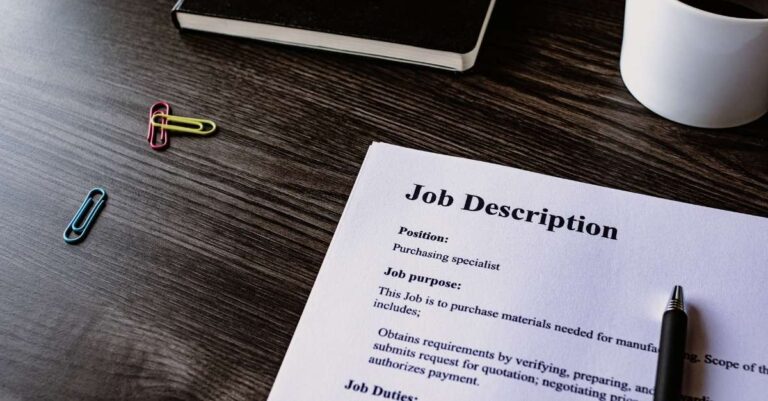
Job descriptions emphasize competencies
Job postings now list proficiency in tools such as Microsoft Teams, Adobe Acrobat, or Salesforce, along with strong written communication and event-planning skills instead of simply requiring a BA in Business Administration, for example.
Expanded talent pools
Companies are also sourcing candidates from community college graduates, bootcamp alumni, and certificate-holders who demonstrate mastery in relevant software and organizational practices.
Faster, more predictive screening
Simulated tasks such as crafting a project timeline or executing a mock data entry assignment—offer a direct window into a candidate’s capabilities.
Internal mobility and upskilling
Organizations integrate learning paths and digital badges to track in-house talent readiness for senior administrative or office management roles, fostering retention and career growth.
Why companies should embrace skills-based hiring
Access high-quality candidates
SBH widens the net, surfacing applicants with precise, demonstrable skills rather than filtering out strengths through rigid degree barriers.
Improve retention and job fit
Matching hires to clearly defined competencies leads to stronger performance from day one and reduces costly mis-hires, which can cost up to 27 times an employee’s salary.
Drive diversity and inclusion
By valuing alternative pathways such as military training, apprenticeships, or online certifications—companies boost representation across administrative and support functions.
Enhance employer brand
Public commitments to equitable hiring practices resonate with candidates, creating a reputation for openness and innovation.
Future-proof the workforce
As digital tools and remote work reshape administrative duties, a skills-first approach ensures organizations can adapt quickly to emerging needs and reassign talent to critical projects.
Tools and platforms that facilitate SBH include:
- Pre-employment assessments and simulations to gauge real-world abilities
- Structured interviews around situational and behavioral questions
- Credentialing via micro-certifications, digital badges, or portfolios
By shifting focus from degrees to capabilities, companies can transform their administrative hiring, unlocking efficiencies, diversity gains, and stronger talent pipelines.
As skills-based hiring continues to move from buzzword to mainstream practice, organizations that pioneer competency-driven strategies will not only fill roles more effectively but also foster adaptable workforces ready for tomorrow’s challenges.
Need experienced administrative talent but don’t know where to start? Addison Group can help. For more than 20 years our seasoned recruiters have matched reputable companies with top talent. Let’s talk about how we can find the right candidates for your team, not just who’s available.